Ask what a home in Vienna is worth this year and you will get two answers that cannot both be describing the same market. One tracking service puts the average sale price at $1.73 million as of July 2026, up 44.4 percent from a year earlier. A separate monthly read from earlier in the year put the median sale price at $1.3 million, down 23.5 percent over the same twelve months, even as price per square foot on that same data set climbed almost 5 percent. Homes were still landing multiple offers in about two weeks either way.
None of that is a typo, and none of it is noise. It is what happens when two different housing markets get reported under one town name.
Two Products, One Address
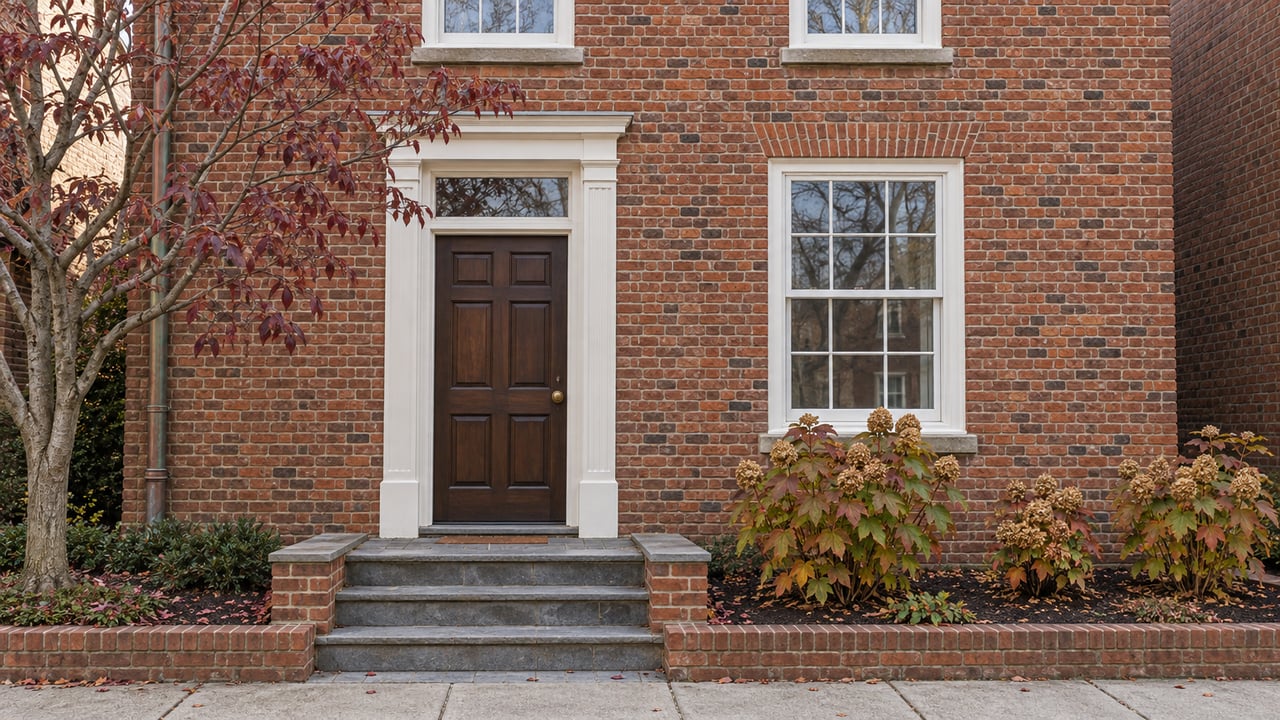
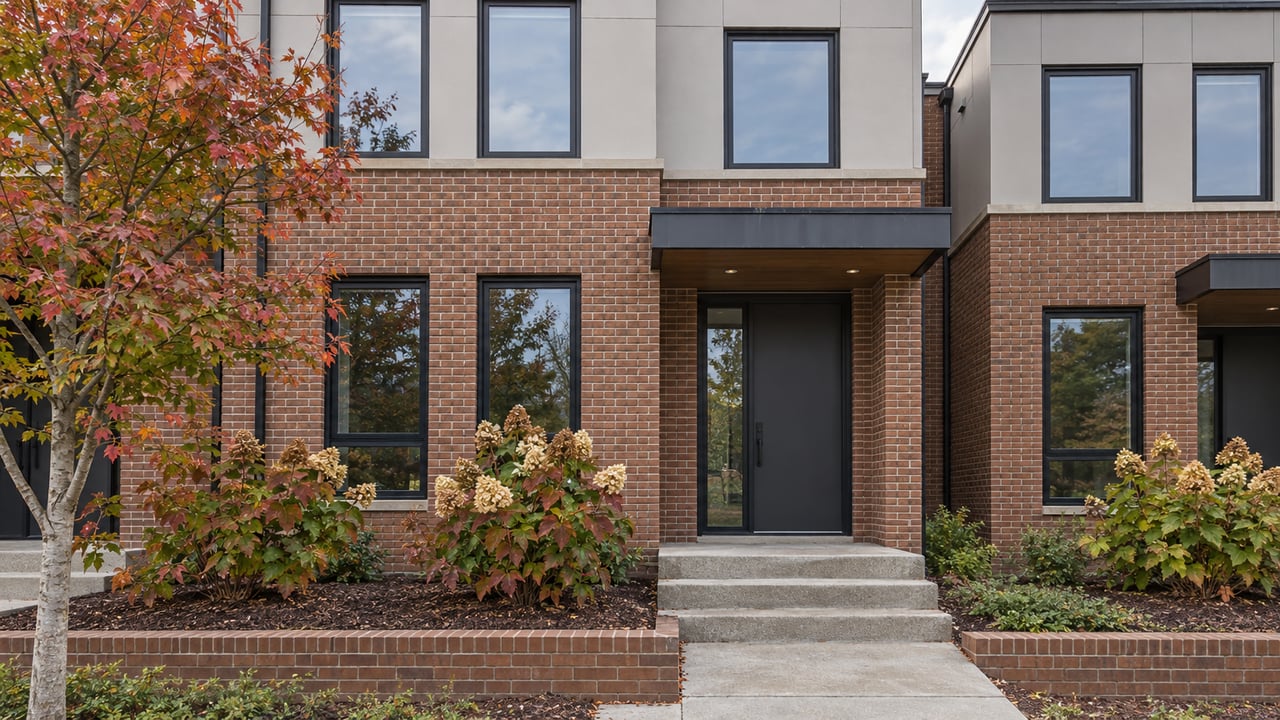
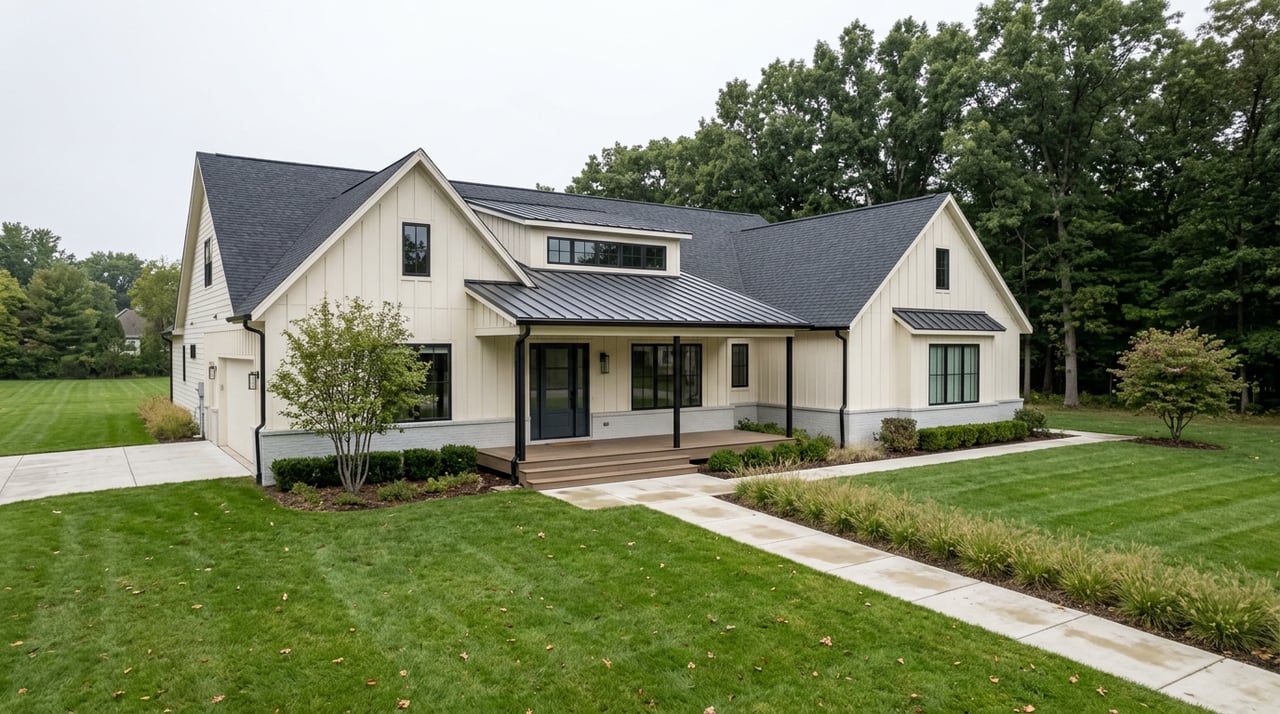
Walk a few blocks in Vienna and you will see it before you can explain it. A 1958 rambler with original windows sits two doors down from a new build with ten-foot ceilings and a scullery off the kitchen. New construction in town is not simply adding inventory to the existing housing stock; it can also replace it, with older, lower-priced homes giving way to new construction that lists well above $2 million.
That is not a fringe activity. It is common enough that anyone comparing a home in Vienna to one in a neighboring town needs to ask a question the median price cannot answer on its own: is this listing priced as a house, or is it priced as a lot with a house currently sitting on it?
The two tracks do not compete with each other for the same buyer, which is exactly why blending them into one number produces contradictions.
| Resale Track | Land Value Track | |
|---|---|---|
| Typical home age | Renovated or original condition, often 1970s or newer | 1950s-60s rambler or split-level, largely untouched |
| What sets the price | Condition, finishes, recent updates, walkability | Lot frontage, topography, by-right buildable footprint |
| Buyer motivation | Move-in ready living space | Land assembly for a rebuild |
| Renovation logic | Kitchen and bath updates pay back | Any renovation spend is close to wasted |
A seller sitting on a genuine teardown candidate who spends money on a kitchen remodel is not adding value. They are spending money the next owner is going to demolish anyway. A seller sitting on a well-kept resale home who prices against a nearby land sale is going to undervalue their own house. The two tracks need two different pricing conversations, and a median blends them into neither.
What the Average and the Median Are Actually Measuring
Look again at the July 2026 numbers side by side. The average sale price jumped 44.4 percent year over year to $1.73 million. The median, measured over the three months ending that same July, moved only 1.7 percent, and in the opposite direction. An average that far ahead of a median is not a rounding quirk. It means a handful of very expensive sales, the new-construction rebuilds selling at $2 million and up, are pulling the top of the distribution upward while the bulk of ordinary resale transactions in the middle stayed roughly where they were.
Price per square foot tells a similar story from a different angle. Median price per square foot in Vienna was $417 in July 2026, up just 1.2 percent from a year earlier. That number sounds like a stable, easy yardstick until you remember what it is averaging together: brand-new construction commanding a premium for square footage nobody has lived in yet, and land-value listings where the buyer is barely paying for the square footage at all because the house is coming down. A low price per square foot on a listing in Vienna is not automatically a deal. It might mean you are looking at a home priced almost entirely for its dirt.
This is the piece worth sitting with if you are comparing Vienna to another close-in Northern Virginia town using nothing but a median price and a square footage number. Those two figures, taken from a market this bifurcated, can point you toward the wrong conclusion just as easily as the right one.
How to Tell Which Vienna You're Looking At
A few on-the-ground signals separate a genuine land-value candidate from an ordinary resale, and they matter whether you are buying, selling, or just trying to make sense of a comp.
Age and untouched condition are the first tell. A home from the original 1950s or 1960s wave of construction, with systems and finishes that have not been meaningfully updated, is a more likely candidate for a builder's attention than a home that has already been renovated.
Lot shape matters more than most buyers expect. A wide lot, roughly 80 feet or more of frontage, allows for a side-load garage and tends to carry a real premium in builder pricing. A flat lot is worth more than a sloped one, since sloped sites can require expensive retaining walls and stormwater management that eat directly into a builder's margin. And a lot that can support a substantial footprint sits in the highest demand tier.
Location within town still counts on the land-value track, not just the resale one. Proximity to the Church Street corridor and the Town Green carries its own premium, independent of whatever condition the existing house is in. So does the elementary and high school pyramid a lot falls into, with homes zoned for James Madison High School or Marshall High School typically drawing stronger demand.
As Jason Furtek, Director of Construction at Monarch, put it, describing why builders favor a full rebuild over a renovation: "We're not constrained by the limits of an old structure."
That freedom is also why builders in Vienna often choose demolition over addition. Additions that push close to a property line have drawn real scrutiny elsewhere in the county, including project holds and zoning appeals that took months to resolve. Starting over on a clean lot sidesteps a category of risk that expanding an existing footprint does not.
Frequently Asked Questions
Does a lower price per square foot always mean a better deal in Vienna? Not on its own. A low per-square-foot number can mean a well-priced resale home, or it can mean a listing priced almost entirely for its land, with the structure expected to come down. The number only means something once you know which track the listing belongs to.
How do I find out if my Vienna home is worth more as a resale or as a teardown? It comes down to the age and condition of the structure weighed against the lot's frontage, topography, and buildable footprint. A comparative market analysis that looks specifically at both recent renovated resales and recent land sales in your immediate area, rather than a blended neighborhood average, is the only way to answer this with any confidence.
If you are trying to figure out which Vienna market your own home sits in, or which one you are actually shopping in, that is exactly the kind of question worth working through with someone who tracks these two tracks separately rather than as one blended number. Cristina Sison and her team follow both the resale and land-value sides of Vienna, along with the same dynamic reshaping streets in neighboring McLean. Explore more on the Vienna neighborhood page, or start with a home valuation to see which track your property is actually priced against.
This article is general information, not legal, tax or financial advice. Consult a qualified professional about your situation.