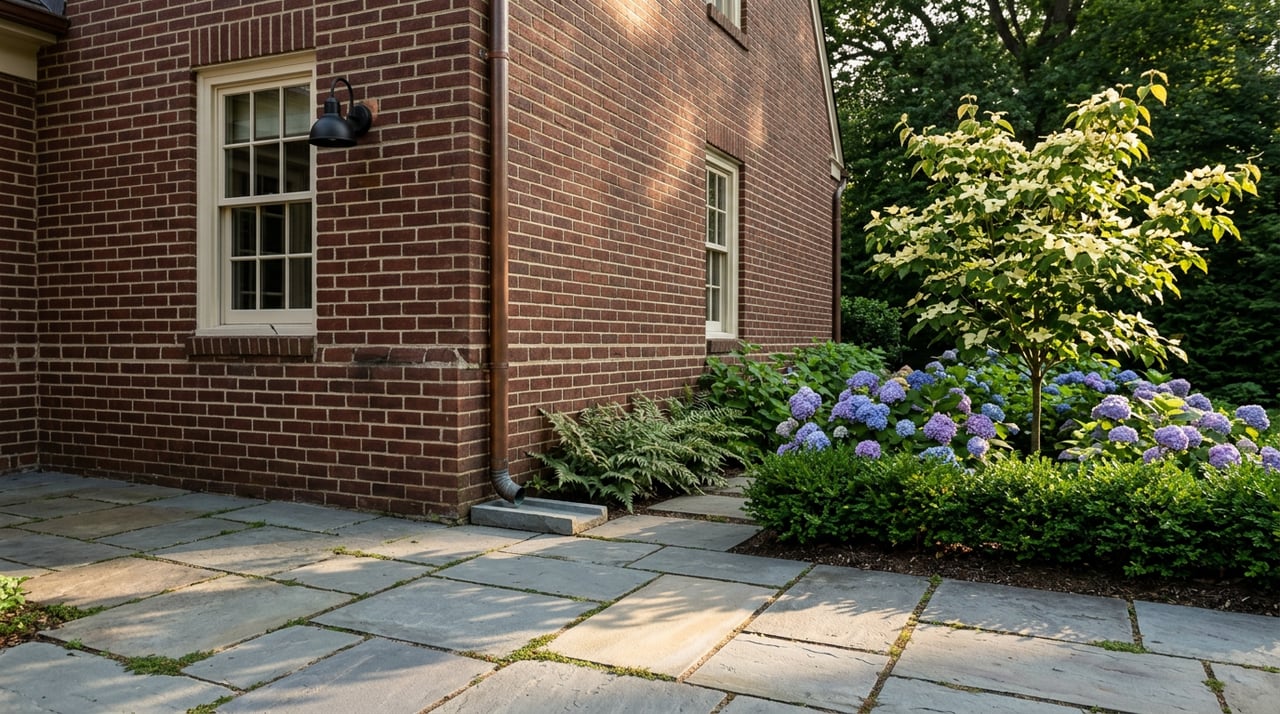
Virginia is a caveat emptor state. The Residential Property Disclosure Statement the seller signs under § 55.1-703 says, in so many words, that the owner makes no representations about whether a historic district ordinance affects the property, and that the buyer should do the diligence. Read literally, that language protects the seller.
Read practically, it does not. In the Old and Historic Alexandria District and the Parker-Gray District, exterior work that was done without a Certificate of Appropriateness rarely stays hidden through a competent inspection, a title search, or an appraiser walking the block. The friction lands on the seller anyway, just later in the transaction, when there is less room to negotiate. In a 2026 market where inventory is expanding faster than sales, that timing problem is the story.
The friction that surfaces after the inspection
The Board of Architectural Review evaluates exterior features visible from public streets and alleys in the Old & Historic Alexandria District and Parker-Gray. In most cases, a Certificate of Appropriateness has to be issued before a building permit can be pulled. The city runs applications through APEX, and Preservation staff at 703.746.3833 fields the pre-application questions.
The listings that hit trouble are almost never the ones where a homeowner did a visible addition without approval. They are the ones where a previous owner made a small, cosmetic-seeming change that failed the guidelines. The recurring examples:
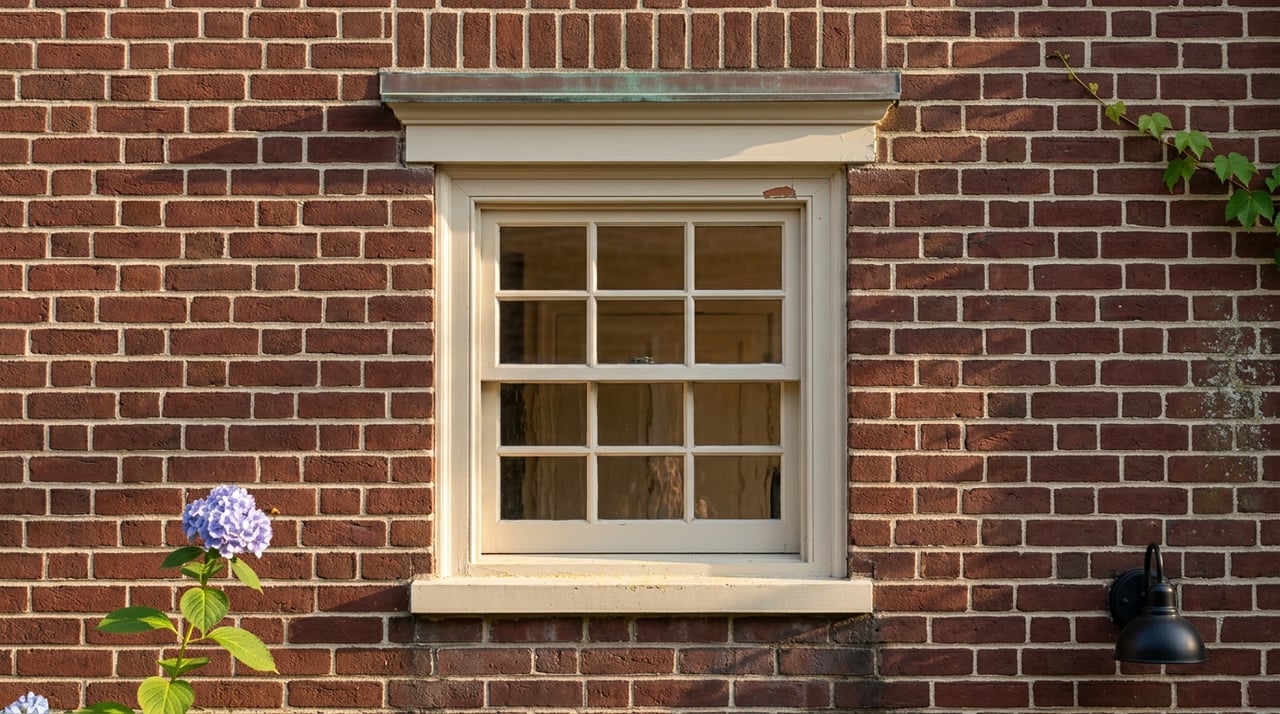
- Window replacements that skipped review. In the historic districts, a building permit is required for every window replacement, and pre-1932 front-facing sash generally must be repaired and retained rather than replaced. Vinyl and sandwich muntins are not permitted on street-facing elevations, and replacements have to meet the city's Alexandria Replacement Window Performance Specifications.
- Paint on previously unpainted brick. Painting historic masonry is often discouraged and requires review, and the BAR may decline to approve coatings that can damage the brick.
- Rooftop mechanicals, skylights, or dormers that read from the street.
- HVAC condenser relocations, fences over six feet, and rear decks where visibility from a public alley was underestimated.
- Doors and transoms swapped without a like-for-like match on material, panel pattern, or glazing.
Unauthorized exterior work in the historic district is treated as a Class 2 violation, with cumulative fines that can reach $5,000 for a series of violations, plus stop-work orders and, in some cases, orders to restore the prior condition. When unpermitted work is discovered during a sale, the seller may be required to obtain retroactive permits and bring the work into code compliance before closing, and in the historic districts that retroactive path is materially harder than in the rest of the city. Occasionally an inspector has to open framing back up so structural, electrical, and plumbing work can be verified.
The Virginia disclosure form does not spare the seller here. Under § 55.1-706, an owner must affirmatively disclose pending enforcement actions under the Uniform Statewide Building Code that the locality has notified them of in writing. A code letter sitting in the seller's file becomes a mandatory disclosure the moment it arrives.
Why 2026 changes the math
For most of the last five years, Old Town sellers could count on demand to absorb small imperfections. The 2026 forecast released in December 2025 by the Center for Regional Analysis at George Mason University and the Northern Virginia Association of Realtors reframes that assumption.
| Segment | 2026 price forecast | 2026 sales forecast | 2026 inventory forecast |
|---|---|---|---|
| Alexandria single-family | +4.2% | +4.5% | +32.7% |
| Alexandria townhouses | +2.5% | +3.5% | +21.9% |
| Alexandria condos | +1.1% | +4.4% | +30.3% |
Alexandria's projected 4.2% single-family appreciation is the highest in Northern Virginia, ahead of Arlington at 3.8%, Loudoun at 3.3%, and Fairfax at 1.9%. That is the headline. The mechanism underneath it is inventory. Single-family listings are forecast to grow more than 32% over 2025, coming off a constricted base but landing in real numbers on the MLS this year.
Redfin's numbers for the three months ending April 2026 show the shift already in motion: a median sale price of $688,000, 31 median days on market compared with 25 the prior year, and 573 homes sold in April versus 496 in April 2025. A separate March 2026 read cited by Barnes Real Estate showed 30.0% of Alexandria sales closing over list and 40.1% closing under list, with homes averaging three offers. A bidding war is no longer the base case.
What that means for a seller with a BAR issue in the file: the buyer's leverage to press for a credit, an extension, or a walk grew this year. And the BAR calendar is not fast. Staff-level approvals typically run days to a few weeks, but full public hearings often take four to eight weeks from submission, and the Board only meets on the first and third Wednesday of each month, with no August session. A seller who discovers a compliance gap in week two of a ratified contract is unlikely to close on the original timeline.
Read the disclosure statute the way the buyer's attorney will
The disclosure statement's historic-district paragraph does two things at once. It relieves the seller from having to explain the ordinance. It also puts the buyer on formal notice to investigate, which means an attentive buyer will investigate, and that investigation is what surfaces the problem. The relevant statutory language directs buyers to review the local ordinance, any official map depicting historic districts, and any locality materials that explain what approvals are required to alter, renovate, or demolish buildings in the district. In practice, that is a five-minute check against the city's parcel viewer and the APEX permit history. Any experienced buyer's agent runs it.
The way to convert that risk into a marketing asset is to run the same check first. A pre-listing pull of the permit history, cross-referenced against the exterior features actually on the building, tells the seller where the exposure sits before a buyer's inspector or attorney finds it.
A realistic pre-listing timeline for a historic-district home
For a home inside OHAD or Parker-Gray with any exterior changes done in the last twenty years, plan the listing runway backward from the desired list date:
- Twelve to sixteen weeks out. Pull the APEX permit history. Walk the exterior with a contractor familiar with the Design Guidelines. Identify anything that looks like it was replaced, added, or altered without a matching COA in the file.
- Ten to twelve weeks out. Where a gap exists, contact Preservation staff to determine whether the fix is eligible for administrative approval or needs a full BAR hearing. Administrative approvals are faster and cheaper. Hearings run on the first and third Wednesday cycle.
- Six to ten weeks out. File the COA or retroactive permit through APEX. Assemble scaled drawings, elevations, product cut sheets, and photos. This is also the window to correct any non-compliant window, door, or masonry work with an approved solution.
- Four to six weeks out. Confirm the permit record is closed, inspections are signed off, and the building code enforcement file is clean. This is what makes the seller comfortable signing the disclosure without a pending action to report.
- Listing week. Marketing leans into the compliance story. The BAR file becomes a selling point rather than a liability, especially for the segment of Old Town buyers who are actively looking for a turnkey historic home and pricing renovation risk into their offers.
Sophisticated developers already plan this way. EYA and Simpson Development secured entitlement for the 32-unit 333 N. Fairfax Street townhome project in April 2026, with unanimous BAR, Planning Commission, and City Council support, in thirteen months of process. The individual seller's runway is shorter, but the logic is the same: the BAR is a schedule input, not a surprise.
FAQ
Does the seller have to disclose that a home is in a historic district? The Virginia disclosure form itself directs the buyer to investigate historic district ordinances rather than requiring the seller to describe them. Separately, § 55.1-706 requires the seller to disclose any pending building code enforcement action the locality has notified them of in writing. A notice from the city about unpermitted or non-compliant work triggers that duty.
Can a buyer walk away over a BAR issue after ratification? Depending on how the contract is written and what contingencies remain, yes. The more common outcome is a credit request, a price reduction, or an extension while the retroactive COA moves through review. In a market with more inventory and 31 median days on market, buyers are less inclined to absorb the risk quietly.
Do the same rules apply outside Old Town? Alexandria has seven National Register Historic Districts: Fairlington, Old and Historic Alexandria, George Washington Memorial Parkway, Uptown/Parker-Gray, Parkfairfax, Rosemont, and Town of Potomac. The BAR's local design review authority covers the Old and Historic Alexandria and Parker-Gray districts and separately designated 100-year-old buildings. Other historic districts carry National Register recognition but not the same local design review overlay.
What is the cost difference between a wood-clad and a vinyl window replacement in a historic district? Higher-quality wood or clad-wood windows with true divided lites typically cost more up front than vinyl. Proposals that chase lower vinyl pricing on street-facing elevations tend to trigger a full BAR hearing, revisions, and delays that erase the initial savings.
If you own in Old Town or Parker-Gray and are thinking about a 2026 sale, the compliance file is now part of your listing prep, not something to sort out after an offer comes in. Cristina Sison and the Sison Homes team can walk your property, review the permit history, and build a pre-listing plan that lines up the BAR calendar with your target list date. Schedule a Consultation when you are ready to talk through the specifics.